
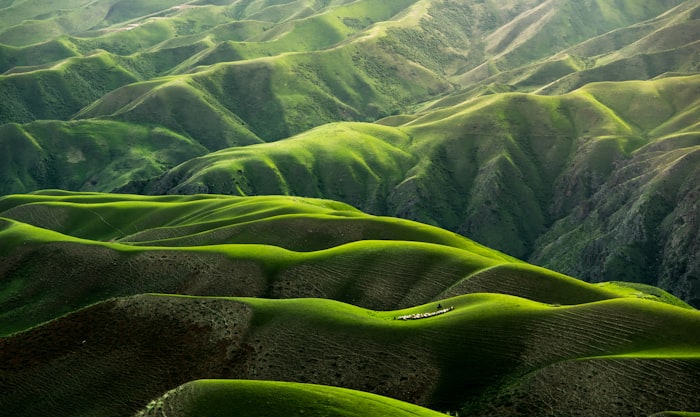
Why Rural Explorers Need the Right Light
Out in the forgotten corners of America — the Ozark hollows, the Nevada basin roads, the Appalachian back trails — darkness is absolute. No streetlights. No cell signal. Just you, the wilderness, and whatever light you carry.
A quality flashlight is the difference between a great adventure and a dangerous situation. ZENVY's collection covers every scenario: UV detection, headlamps, bike lights, tactical torches, and solar-powered backup options.
Plan Your Rural Adventure
Book flights, find guided tours, and discover hidden rural destinations across the USA.


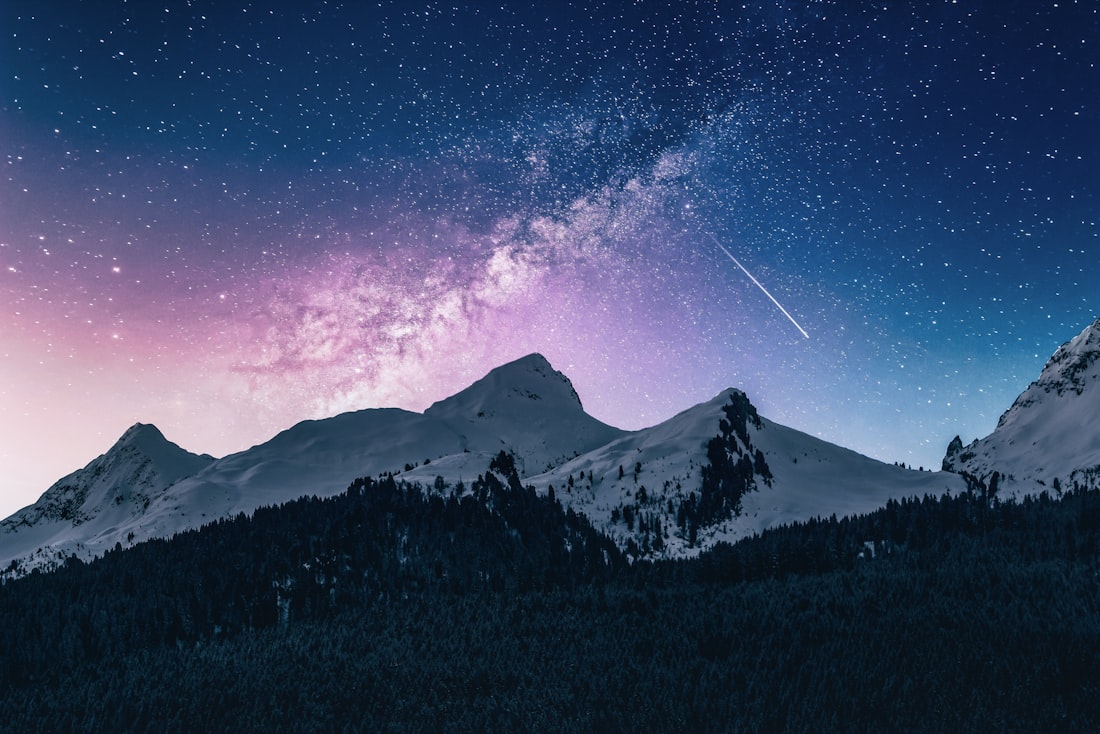
"The darkest nights produce the brightest stars."
Whether you're navigating a forgotten forest road or setting up camp under the Milky Way — ZENVY flashlights are engineered for the moments that matter most. UV & Specialty Lights
Out in the lost frontier, darkness is not a background detail.
It is the environment.
There are no streetlights. No glowing windows in the distance. No reliable signal towers to guide your path. When the sun drops, the world doesn’t dim—it disappears.
In these places, a flashlight is not convenience.
It is survival awareness.
It is navigation.
It is safety.
And in rural and off-grid environments—farms, ranches, backcountry roads, desert camps, forest cabins, and remote highways—the right light can completely change how confidently you move through the night.
This guide breaks down what actually matters when choosing a flashlight for real-world off-grid conditions, and highlights the types of lighting systems trusted for distance, durability, and reliability.
Why Off-Grid Darkness Is Different
City darkness is controlled.
Even at night, there are reflections, signs, ambient light, and predictable structure.
Off-grid darkness is not controlled.
It is total.
That means your flashlight becomes your:
-
perimeter system
-
navigation tool
-
wildlife awareness system
-
emergency signal
-
work light
-
and psychological anchor in unfamiliar space
In rural environments, light isn’t just about seeing.
It’s about understanding what is around you before it reaches you.


What Makes a True Off-Grid Flashlight
Not all flashlights are built for lost-frontier environments.
A real off-grid light should prioritize:
Long beam distance — so you can scan terrain, roads, or tree lines far ahead
Durability — impact resistance, waterproofing, weather survival
Battery efficiency — long runtimes on medium settings
Recharge flexibility — USB-C, solar compatibility, or replaceable cells
Grip + usability — usable with gloves, rain, or stress conditions
Most cheap flashlights fail in one of these areas.
Off-grid lighting fails in the dark—not in the store.
Tactical Beam Lights — For Distance and Control
Tactical-style flashlights are designed for long-range visibility and fast response control.
They are ideal for:
-
rural property scanning
-
hiking in remote areas
-
ranch and farm security
-
emergency roadside situations
These lights often feature:
-
high lumen burst modes
-
focused beam throw
-
rugged aluminum housing
-
simple tail-switch operation
Modern tactical lights can illuminate hundreds of meters ahead, turning night terrain into readable space.
In rural environments, that distance is everything.


Backcountry Headlamps — Hands-Free Survival Lighting
Headlamps are essential when movement matters more than scanning.
They are used for:
-
hiking trails
-
setting up camp
-
repairing gear
-
nighttime work in remote areas
Unlike handheld flashlights, headlamps keep both hands free, which becomes critical when:
-
climbing terrain
-
carrying equipment
-
cooking outdoors
-
navigating uneven ground
The best headlamps balance:
-
lightweight design
-
adjustable brightness
-
long battery life
-
weather resistance
In off-grid environments, hands-free lighting is not optional—it is efficiency and safety combined.


Rechargeable Off-Grid Flashlights — Modern Reliability
Rechargeable systems have changed off-grid lighting dramatically.
Instead of carrying batteries, many modern flashlights now include:
-
USB-C charging
-
power bank compatibility
-
solar charging options (some models)
-
long-lasting lithium cells
For rural users, this means:
-
less waste
-
lighter packs
-
easier maintenance
-
consistent brightness output
But the key rule remains:
A rechargeable flashlight is only reliable if you manage your power source.
In off-grid life, charging discipline matters as much as brightness.


Rural Property Lighting — Farms, Ranches & Large Land Use
On large rural properties, lighting is not about walking trails.
It is about scanning space.
Flashlights in these environments are used for:
-
checking fences and gates
-
locating livestock
-
moving through barns and sheds
-
night security checks
-
emergency response situations
Here, beam distance becomes more important than flood lighting.
A narrow, powerful beam allows you to see movement at long range, which is critical when covering large open land.


Emergency & Survival Lighting — When Everything Stops
Off-grid living also means preparing for situations where everything goes dark:
-
power outages
-
vehicle breakdowns
-
storms
-
remote accidents
-
lost trail navigation
In these moments, your flashlight becomes your primary lifeline.
Survival-grade lights prioritize:
-
long runtime on low mode
-
rugged construction
-
simple operation
-
reliability under stress
This is not gear for comfort.
It is gear for continuity.


The Real Rule of Lost Frontier Lighting
The best flashlight is not the brightest.
It is the most dependable under pressure.
Because in remote environments:
-
weather changes
-
terrain changes
-
plans change
-
visibility disappears
And your light is the only system that doesn’t rely on the environment staying predictable.
ZENVY Lost Frontier Lighting System
ZENVY supports off-grid living and rural exploration with gear designed for real conditions, including:
-
high-durability flashlights for outdoor use
-
portable lighting systems for travel and camping
-
rechargeable survival lighting tools
-
compact EDC lighting solutions
-
backup power-friendly devices
Built for farms, cabins, road travel, wilderness, and anywhere the grid stops being reliable.
Fast delivery within 2–3 days helps ensure you’re prepared before the next trip, storm, or night journey.
(But the Frontier Doesn’t End Here)
Out in the lost frontier, light is more than visibility.
It is confidence.
It is direction.
It is control in environments that don’t offer much control at all.
And the deeper you go into rural, off-grid, and backcountry spaces…
the more you realize:
You don’t just carry a flashlight.
You carry the ability to keep moving when everything else stops.
And beyond this, there are still darker places, farther roads, and quieter horizons…
Detect, inspect, and illuminate what the naked eye can't see.


The Last Frontier Places on Earth: The World’s Most Remote, Untouched, and Extreme Regions
The “last frontier” isn’t one place.
It’s a collection of edges—places where human presence becomes rare, infrastructure disappears, and nature takes full control again.
These are regions where maps thin out, weather dominates decisions, and survival depends on preparation, awareness, and respect for the environment.
From polar ice sheets to deep rainforests, from desert interiors to island chains far from shipping routes, these are the closest things left to untouched Earth.
Antarctica Interior — The Coldest Frontier on Earth
Antarctica is the ultimate last frontier.
Beyond the research stations along the coast lies an interior so extreme that almost no permanent human activity exists.
Here you’ll find:
-
endless ice sheets stretching beyond the horizon
-
wind systems that can reach extreme speeds
-
temperatures that drop far below survivable levels without protection
-
terrain that is constantly shifting under ice movement
There are no roads connecting civilization to this interior. Everything depends on expedition logistics.
It is the closest thing to a completely uninhabited continent.


Greenland Ice Sheet — Frozen Wilderness at Scale
Greenland’s interior ice sheet is one of the largest bodies of ice in the world, covering most of the island.
Once you move beyond the coastal settlements, you enter a frozen desert of:
-
ice ridges
-
deep crevasses
-
wind-carved snow formations
-
complete absence of infrastructure
This region is studied scientifically but rarely traversed.
It is a landscape defined by silence and scale.


Amazon Deep Interior — The Green Frontier
The Amazon is one of the most biodiverse regions on Earth, but its deepest interior remains extremely difficult to access.
Away from river towns and main tributaries, the forest becomes:
-
dense and layered
-
difficult to navigate without waterways
-
home to isolated ecosystems
-
minimally mapped in some areas
In many regions, rivers are still the only reliable routes through the jungle.
This is not empty wilderness.
It is living wilderness at maximum density.


Sahara Deep Desert Interior — The Empty Ocean of Sand
The Sahara is not just a desert.
It is a continent of sand, rock, and silence.
Deep interior regions include:
-
massive dune fields
-
stone plateaus
-
ancient dried river systems
-
extreme temperature swings between day and night
Once you leave the main routes, navigation becomes entirely environmental.
Wind reshapes the landscape constantly, meaning nothing stays fixed.


Tibetan Plateau Interior — The Roof of the World
The Tibetan Plateau is one of the highest and most extreme inhabited regions on Earth, but its interior zones are vast and sparsely populated.
Here you find:
-
high-altitude deserts
-
frozen lakes
-
wind-swept plateaus
-
extreme oxygen conditions
Travel here requires adaptation to altitude and environment.
The scale is overwhelming, and settlements are rare compared to the landmass.


Pacific Ocean Remote Islands — The Ocean Frontier
Some of the last true frontiers are not on land at all.
Remote Pacific islands and atolls include:
-
minimal populations
-
extreme isolation from major continents
-
dependence on shipping and weather conditions
-
limited infrastructure
Many of these islands are hundreds or thousands of kilometers from major landmasses.
Life here is defined by ocean access, weather systems, and supply cycles.


Siberian Taiga Interior — Endless Northern Forest
The Siberian taiga is one of the largest continuous forest systems in the world.
Deep interior regions are:
-
extremely cold in winter
-
densely forested for thousands of kilometers
-
sparsely populated
-
difficult to access by road
It is a landscape defined by scale rather than landmarks.
In winter, silence becomes dominant. In summer, forests expand endlessly in every direction.


The Pattern of the Last Frontiers
Across all continents, the last frontier regions share a common structure:
-
distance replaces access
-
weather replaces scheduling
-
terrain replaces infrastructure
-
preparation replaces convenience
-
silence replaces noise
These places are not defined by what they offer.
They are defined by what they remove.
ZENVY Gear System
ZENVY supports exploration of remote environments with gear designed for real-world extremes:
-
durable outdoor survival systems
-
portable lighting and navigation tools
-
compact travel organization gear
-
weather-resistant equipment
-
long-distance mobility essentials
Built for deserts, mountains, oceans, forests, and anywhere the map stops being useful.
Fast 2–3 day delivery helps prepare for trips before the environment demands it.
And Beyond the Last Frontier…
Even these places are not truly the end.
Because the world still has:
-
unmapped seasonal routes
-
shifting river systems
-
remote mountain corridors
-
unexplored ecological zones
The last frontier is not a destination.
It is a moving boundary.
And it continues to shift farther away as more of the world is discovered…
Tactical & Carry Gear
Pouches, holders, and accessories for every flashlight setup.


Ready to Light Up the Unknown?
Every great rural adventure starts with the right gear. Don't get caught in the dark — shop ZENVY's full flashlight collection today.
Shop All Flashlights →